
Take a breath with me ;- )
Thecontrologymethod
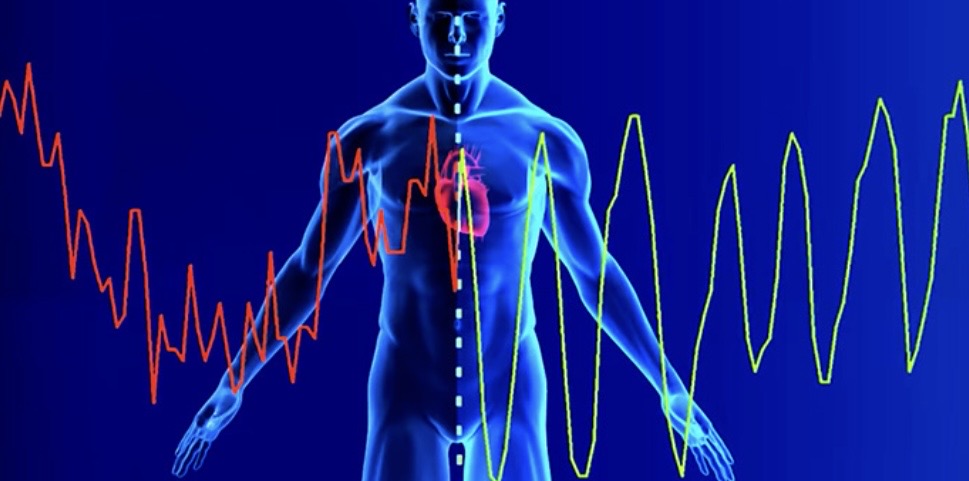
heart & brain coherent
Heart Coherent Breathing (Coherent Breathing)
Heart coherent breathing is a slow, rhythmic breathing technique, typically 5–6 breaths per minute (about 5 seconds inhaling and 5 seconds exhaling) that synchronizes breathing, heart rate, and the autonomic nervous system.
Its importance
Improves Heart Rate Variability (HRV) Increases the natural variation between heartbeats, a key marker of cardiovascular health, resilience, and recovery. Activates the Parasympathetic Nervous System: Stimulates the vagus nerve, shifting the body from a “fight-or-flight” state to a “rest-and-digest” state. Reduces Stress Hormones: Lowers sympathetic nervous system activity and can reduce cortisol levels over time. Enhances Mental Performance: Improves focus, emotional regulation, decision-making, and mental clarity by optimizing communication between the heart and brain. Supports Cardiovascular Health: May help lower blood pressure, improve circulation, and reduce strain on the heart when practiced regularly. Accelerates Recovery: Helps the body recover more efficiently after physical exercise or psychological stress. Promotes Emotional Balance: Reduces anxiety, improves mood, and increases feelings of calm and well-being.
How to practice:
Inhale through the nose for 5 seconds.
Exhale slowly through the nose (or mouth) for 5 seconds.
Continue for 5–10 minutes.
Keep the breath smooth, quiet, and diaphragmatic (belly breathing).
Physiological principle:
Coherent breathing maximizes respiratory sinus arrhythmia (RSA)—the natural rise in heart rate during inhalation and fall during exhalation. This creates a state of physiological coherence, where the cardiovascular, respiratory, and nervous systems operate in greater synchrony, improving efficiency and resilience.
Just 5–10 minutes of coherent breathing daily can improve stress resilience, cardiovascular function, cognitive performance, and emotional well-being by optimizing the balance of the autonomic nervous system.
Shallow Breathing
Dangers of Shallow Breathing
Shallow breathing—rapid, chest-dominant breathing that doesn’t fully engage the diaphragm—can negatively affect both physical and mental health.
Reduces oxygen efficiency: Less air reaches the lower lungs, where gas exchange is most effective.
Increases stress: Activates the sympathetic (“fight-or-flight”) nervous system, raising heart rate and stress levels.
Lowers carbon dioxide balance: Chronic overbreathing can reduce CO₂ too much, decreasing oxygen delivery to tissues (the Bohr effect).
Decreases focus and energy: The brain and muscles may receive oxygen less efficiently, contributing to fatigue and reduced concentration.
Raises muscle tension: Often leads to tightness in the neck, shoulders, and chest.
Can worsen anxiety: Shallow breathing and anxiety reinforce one another, creating a cycle of stress and hyperventilation.
Limits diaphragm function: Weakens the diaphragm over time, making breathing less efficient and reducing core stability.
Breathing deeply and slowly through the diaphragm improves oxygen utilization, calms the nervous system, enhances mental clarity, and supports overall cardiovascular and respiratory health.